End-to-End ERP for Weaving, Dyeing & Garments
Track greige fabric rolls from knitting to dyeing batch release, enforce 4-point inspection quality gates, and balance assembly lines with real-time Standard Allowed Minute (SAM) telemetry.
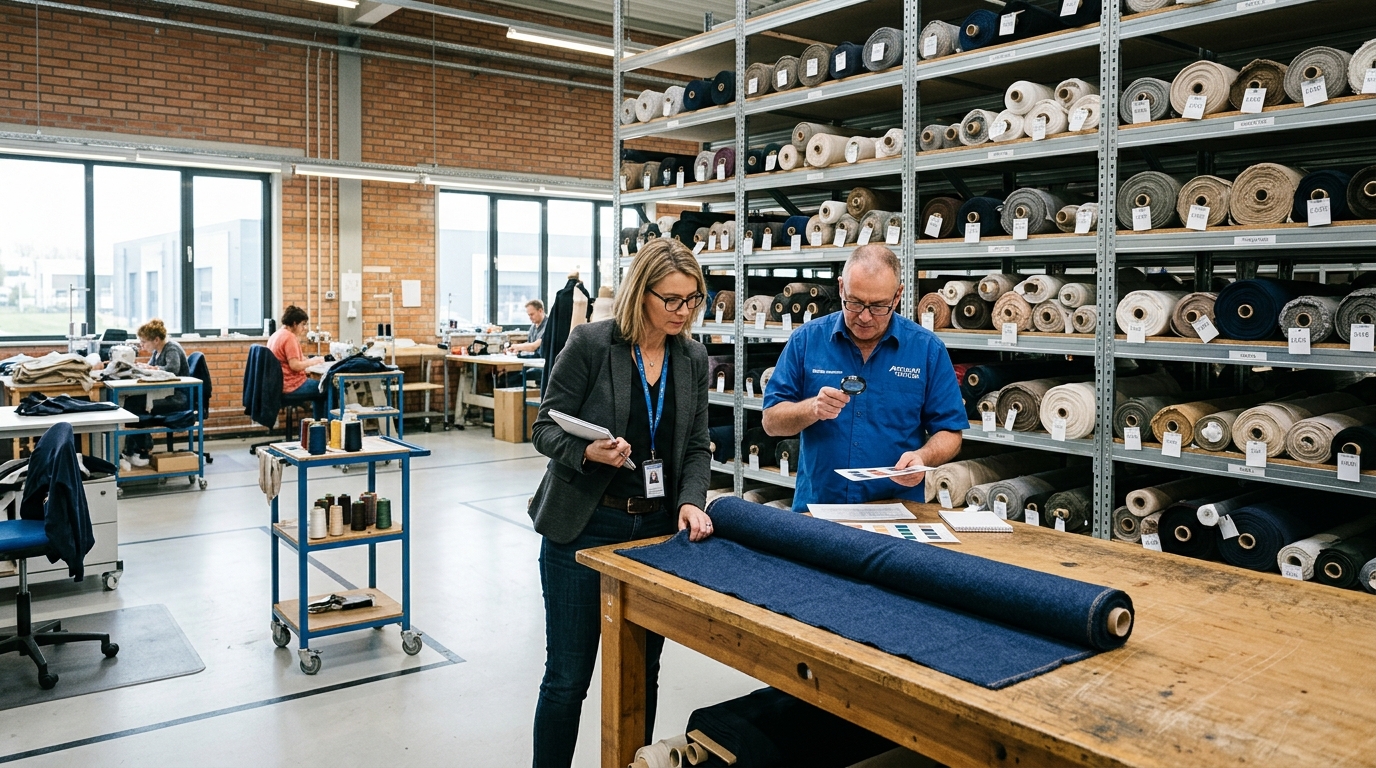
What is Included in the Textile & Apparel Suite
Engineered for textile mills and garment exporters handling dimensional matrix variants, shrinkage allowances, and fast-paced sewing lines.
Raw Fabric Barcode Inward
Raw Fabric Inward Tracking: Scan and barcode raw, unbleached fabric rolls the moment they arrive at your mill, capturing yarn supplier and loom number.
Standard 4-Point Fabric Grading
Standard 4-Point Fabric Grading: Automatically scores cloth defects per 100 yards and flags rejected rolls before cutting, with automated Grade A, B, and C classification.
Digital Color Shade Matching
Digital Color Shade Matching: Automatically group dyed rolls into matching color lots so finished shirts and garments never show mismatched cloth shades.
CAD Nesting Marker Efficiency
Fabric spreading and marker efficiency optimization calculating exact cut-to-ship ratios and end-bit scrap reduction.
Sewing Line Speed Balancing (SAM)
Sewing Line Speed Balancing (SAM): Allocate tailoring operations evenly across workstations using standard cycle minutes to stop line delays and bottleneck losses.
Carton Assortment Packing
Matrix-based export carton packing lists matching buyer color-size ratio purchase orders with barcode hangtag scans.
Fabric Cutting Scrap & Shade Variance Simulator
Calculate how much working capital your garment unit burns in cutting table end-bits and mixed-shade lot rejections across seasonal runs.
Why Generic ERPs & Tally Fail in Textile & Apparel Manufacturing
Garment production requires multi-dimensional matrix attributes (Style, Color, Size, Fit), roll shade grouping, and job-work dye house tracking that break standard software.
| Capability / Apparel Reality | Arihant AI Textile ERP | Legacy Textile Software | Tally Prime / Busy | Excel Spreadsheets |
|---|---|---|---|---|
| Style-Color-Size (SKU) Matrix & BOMs |
Dynamic Matrix Engine
Single master style spawns 24+ variants with variant-specific consumption (e.g. XXL takes +8% fabric).
|
Supported
Rigid matrix; desktop-bound UI with slow seasonal updates.
|
Database Explosion
Forces manual creation of hundreds of individual items; becomes unmanageable.
|
High Typo Rate
Wrong sizes or colors dispatched to export buyers, resulting in chargebacks.
|
| Roll-to-Roll Shade Grouping & Shrinkage Matching |
Automated Shade Lotting
Groups rolls by 4-point inspection grade, shade band (A/B/C), and shrinkage % before issuing cut orders.
|
Manual Allocation
Requires cutting master to manually match rolls on paper tags.
|
Zero Shade Tracking
Treats rolls as simple total meters; mixed-shade garments get stitched and rejected.
|
Untracked Remnants
Cut pieces from different dye lots stitched together by mistake.
|
| External Dye House & Washing Job Work Reconciliation |
Automated Annexure IV Rec
Tracks greige fabric weight sent, allowable shrinkage %, processed yield, and automated scrap debit notes.
|
Partial Processing
Logs delivery notes but lacks automated shrinkage tolerance reconciliation.
|
Untracked Shrinkage
No mechanism to verify if vendor stole fabric under the guise of processing loss.
|
High Vendor Friction
Constant disputes with dye houses over meters delivered vs received.
|
| Piece-Rate Sewing Operator Tracking & SAM Balancing |
Barcode Bundle Tickets
Scans bundle coupons per operation (collar, cuff, placket), calculating Standard Allowed Minutes (SAM) and piece-rate pay.
|
Desktop Token System
Requires paper coupon counting clerks at end of each shift.
|
Not Supported
Cannot track bundle WIP or individual operator sewing efficiencies.
|
Phantom Overtime
High payroll leakage from inflated piece-rate claims.
|
| Export Packing List & Carton CBM Cartoning |
1-Click Export Dossier
Generates solid-color/solid-size and assorted pre-pack ratios with net/gross weights and CBM volumes.
|
Basic Packing Slip
Lacks complex ratio assortments required by international retailers.
|
Not Supported
Forces manual creation of packing lists in Excel for customs clearance.
|
Customs Delays
Weight discrepancies hold up shipping containers at port customs.
|
5-Stage Textile & Garment Lifecycle
Seamless tracking from greige fabric receipt to automated cutting, assembly line balancing, and export container packing.
Greige Inward & 4-Point
Inspect fabric rolls using international 4-point defect scoring with gross/net tags.
Dyeing & Shade Sorting
Automate dye kitchen recipe dispensing; group rolls into shade bands A, B, and C.
CAD Nesting & Spreading
Fabric relaxation tracking, marker efficiency calculation, and bundle ticketing.
Sewing SAM Telemetry
Line balancing, real-time piece rate tracking, and inline roving QC defect checks.
Finishing & Export Box
Barcode hangtag scan, carton assortment packing, and export container manifest.
Shop-Floor Hardware & Textile IoT Pipeline
Arihant AI connects fabric inspection tables, automated cutting machines, and sewing line tablets directly into your ERP ledger.
Executive Controls & Daily Mill Floor Telemetry
Standardize mill operations from grey yarn inward to finished garment export with real-time digital inspection and balancing logs.
Frequently Asked Questions
Concrete answers to technical and operational questions asked by plant directors and CFOs.
Pairs Well With Other Arihant AI Solutions

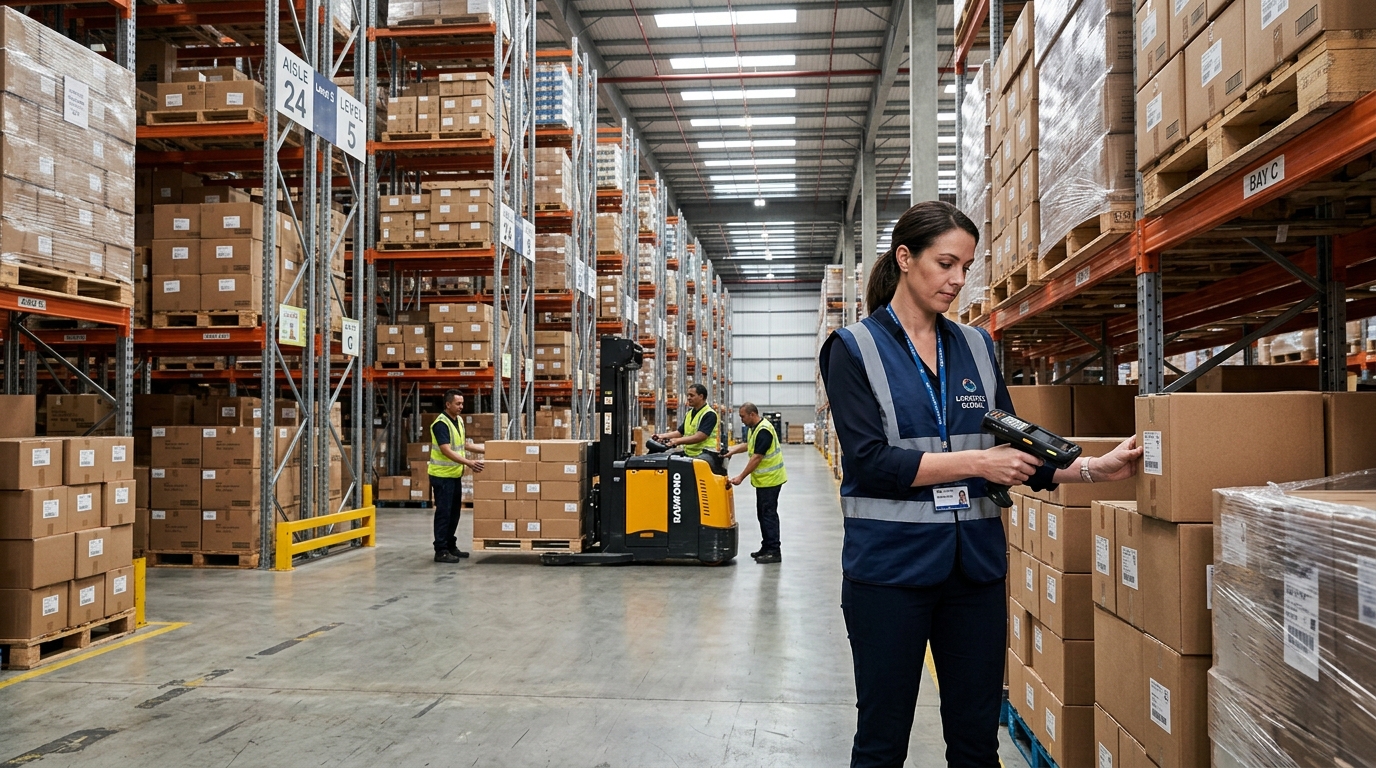
Ready to Optimize Your Mill Cut-to-Ship Ratio?
Consult directly with our textile ERP specialists for shade lot tracking, sewing line SAM balancing, and automated export assortment workflows.